Algeria quick facts
Use this reference table to find Algeria’s basic geographic information. Codes and area figures are presented as reference data; always verify changing statistics against their dated primary source.
- Capital
- Algiers
- Continent
- Africa
- Region
- Northern Africa
- ISO country codes
- DZ / DZA
- Area
- 2,381,741 km² (919,595 sq mi)
- Currency code(s)
- DZD
- Language code(s)
- AR
- Internet domain
- .dz, الجزائر.
Where is Algeria?
Algeria is located in Africa, within Northern Africa. No land-bordering countries are listed for Algeria in this reference dataset.
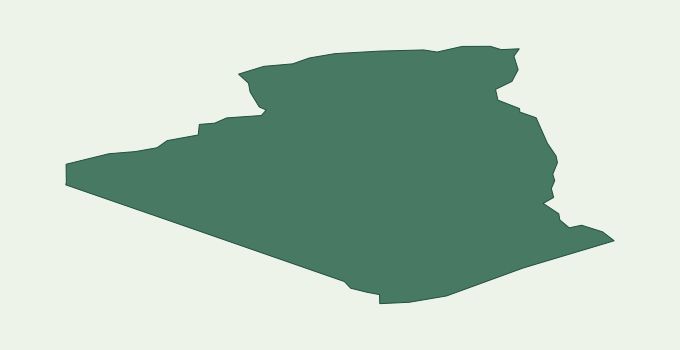
Browse our Africa country list to see how this country fits into its wider region.
What is the capital of Algeria?
The capital of Algeria is Algiers. Capital arrangements can be complex, so verify this detail if your assignment requires the legal or administrative distinction.
Flag of Algeria
This is the flag associated with Algeria in our country reference list. For historical flags and the meanings behind national symbols, consult official national sources; interpretations can change and should not be guessed from flag colours.
Countries bordering Algeria
No land-bordering countries are listed for Algeria in this reference dataset.
There are no neighbouring country links to display in this directory.
Frequently asked questions about Algeria
Which continent is Algeria in?
Algeria is grouped under Africa in this atlas.
What is the ISO country code for Algeria?
The two-letter code is DZ, and the three-letter code is DZA.
What currency code is used in Algeria?
DZD Currency codes are not the same as exchange rates.
Sources and accuracy
Country names and ISO codes are based on the ISO 3166 reference list. Stable geographic fields originate from a bundled reference dataset and are reviewed before publication. This first edition deliberately does not supply current population figures or claim a verified interpretation of every national flag. For current statistics, see the World Bank or official national statistics offices. For UN status, see the United Nations.
Editorial edition: November 2026. This is an educational introduction, not an official government page.